Business News Articles

Business News Articles
Japans new delicious dark horse sweet potato dessert drink is waiting at a beef bowl chain
Business News Articles

Japans new delicious dark horse sweet potato dessert drink is waiting at a beef bowl chain

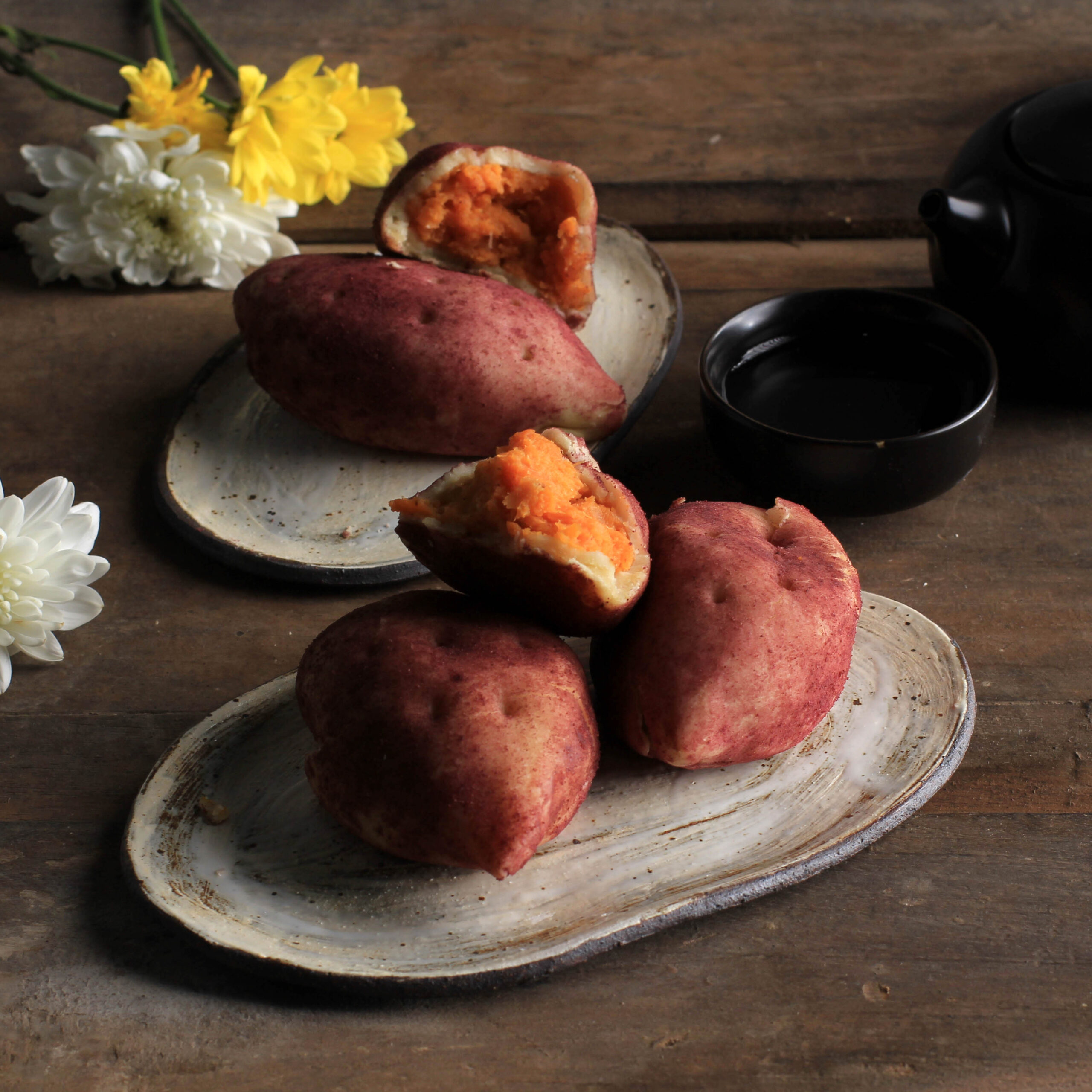
Japan’s Sweet Potato Shake Is the Unexpected Dessert Hit at a Major Beef Bowl Chain Sweet potato season has arrived in Japan, bringing with it a familiar wave of autumn-flavored desserts and drinks. While coffee shops and specialist dessert stores regularly embrace roasted sweet potato flavors at this time of year, one of the more unexpected places to find a sweet potato treat is a major beef bowl restaurant chain. Sukiya, one of Japan’s best-known gyudon chains, has added a seasonal sweet potato shake to its Suki Cafe drinks lineup. The new drink combines a creamy vanilla base with a sweet potato sauce made using beniharuka sweet potatoes from Ibaraki Prefecture, creating a dessert drink that is quite different from the savory beef bowls for which the chain is known. The limited-time drink went on sale on September 8, arriving as Japan moves into the part of the year when roasted sweet potatoes become a particularly popular flavor. The drink is called a yakiimo Suki Shake, with yakiimo referring specifically to Japanese roasted sweet potatoes. A Sweet Potato Drink at a Beef Bowl Chain Sukiya is one of Japan’s three major gyudon chains, alongside Yoshinoya and Matsuya. Its restaurants are primarily associated with inexpensive bowls of rice topped with simmered beef and onions, making a sweet dessert shake an unusual addition to the menu. The chain has nevertheless developed a dessert and drink selection under the Suki Cafe name. Among those products are Suki Shakes, which provide Sukiya with a way to offer customers something sweet alongside its main meals. The latest seasonal flavor takes advantage of one of Japan’s most recognizable autumn ingredients. Sweet potatoes are widely enjoyed in Japan, particularly in their roasted form, and the flavor regularly appears in seasonal sweets and drinks. That makes the new shake a natural seasonal product even if the idea of ordering one at a beef bowl restaurant may initially seem surprising. Beniharuka Sweet Potatoes From Ibaraki The sweet potato component of the shake is made with beniharuka grown in Ibaraki Prefecture. Beniharuka is known for its high sweetness, making it particularly suitable for desserts and sweet drinks. Rather than simply adding pieces of sweet potato to a milkshake, Sukiya uses a sweet potato sauce. The sauce is combined with the vanilla base, producing a marbled appearance inside the drink. The choice of beniharuka is important because the variety is naturally very sweet. That sweetness gives the drink its roasted sweet potato character while working with the creamy vanilla flavor rather than overpowering it. The result is intended to evoke the flavor of a freshly roasted Japanese sweet potato while presenting it in a cold, drinkable dessert. The Vanilla Base Comes First The Suki Shake starts with a vanilla-based mixture. The first flavor is therefore closer to a conventional creamy vanilla shake before the sweet potato component becomes more prominent. The creamy texture makes the drink resemble soft-serve ice cream in both consistency and flavor. The vanilla sweetness provides a relatively familiar starting point before the roasted sweet potato sauce begins to make its presence known. That combination is important because sweet potato can sometimes be a subtle flavor in desserts. Here, the richness of the vanilla base gives the sweet potato sauce something to contrast with, creating a layered taste rather than a single dominant flavor. The marbled presentation also means that different sips can contain slightly different proportions of the two flavors. The Sweet Potato Sauce Adds More Than Flavor The sweet potato sauce brings a concentrated sweetness to the drink. Its texture is also part of the experience, with a sticky quality that recalls the caramelized sugars found on roasted sweet potatoes. Roasting sweet potatoes causes their natural sugars to become particularly noticeable, and that caramel-like sweetness is one of the characteristics associated with Japanese yakiimo. The sauce attempts to reproduce some of that sensation in the shake. Instead of tasting like an ordinary vanilla milkshake with a faint vegetable flavor added to it, the drink has a more recognizable roasted sweet potato character. That sweetness also makes the shake function more like a dessert than a conventional accompaniment to a meal. There Is a Crunchy Topping Too The drink is finished with crushed pieces of imo kenpi. These are thin pieces of sweet potato that have been fried or otherwise prepared to produce a crisp texture and coated with sugar. Adding the pieces to the top of the shake gives the drink something that a normal milkshake does not have: a crunchy element. The contrast between the cold, creamy drink and the crisp sweet potato pieces makes the dessert more interesting to eat and drink. The topping also reinforces the sweet potato flavor rather than introducing an unrelated ingredient. The combination of vanilla, sweet potato sauce and crunchy imo kenpi means that the drink has several different textures and flavors despite being served in a relatively simple format. A Seasonal Flavor That Fits Japan’s Autumn Sweet potatoes have a strong association with autumn in Japan. As temperatures begin to fall, roasted sweet potatoes become a familiar seasonal food, and the flavor appears in products ranging from cakes and pastries to ice creams and drinks. Major chains regularly create limited-time autumn products around the ingredient. Coffee shops and dessert businesses often use sweet potato as a seasonal flavor because it is familiar to Japanese consumers while also offering plenty of opportunities for new combinations. Sukiya’s decision to use sweet potato in a shake follows that same seasonal pattern, but places the product in a very different setting from a specialist cafe. Customers who might normally associate Sukiya with gyudon can therefore encounter a dessert drink based on one of Japan’s most recognizable autumn foods. From Beef Bowls to Dessert The addition of the shake demonstrates how major Japanese fast-food chains increasingly offer more than the core products for which they are known. Sukiya’s main business remains gyudon, but its Suki Cafe selection gives customers additional options for

More tech and hand-breaded chicken coming to McDonald's as part of $8.5 billion modernisation push
Business News Articles

More tech and hand-breaded chicken coming to McDonald’s as part of $8.5 billion modernisation push

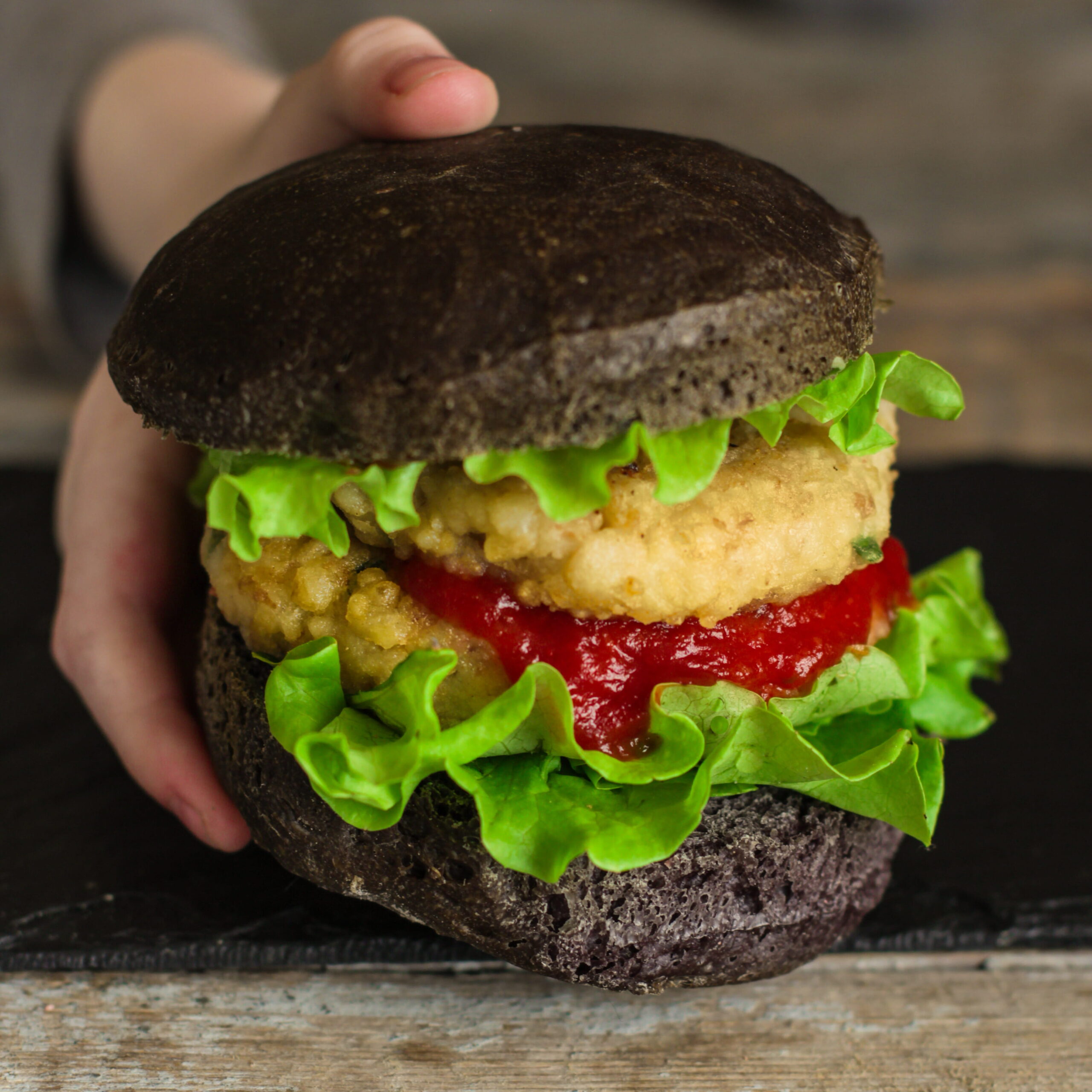
McDonald’s Plans $8.5 Billion Modernization of Restaurants Through 2036 McDonald’s has announced plans to invest approximately $8.5 billion through 2036 as the fast-food giant seeks to modernize its restaurants, improve operations and adapt to changing customer expectations. The Chicago-based company announced the investment on September 23, 2026, as part of its new McDonald’s NEXT strategy. The programme is intended to support restaurant modernization, technology deployment and operational improvements across the company’s global system. McDonald’s said approximately $5 billion of the planned support will be provided through 2030, with the remaining investment extending through 2036. The company expects the programme to involve a combination of capital support and rent relief for franchisees. The announcement comes as McDonald’s looks for ways to increase customer traffic while also making restaurants more efficient. The company operates in a fast-food market where competition remains intense and where customers are increasingly looking for convenience, value and a wider range of food choices. A Decade of Restaurant Modernization The $8.5 billion programme is focused partly on updating the physical restaurants where customers place and receive their orders. McDonald’s says the modernization programme will include changes designed to improve the experience for customers as well as the working environment for restaurant crews. Among the changes being introduced are lockers for delivery orders. The lockers are intended to make it easier for restaurants to handle the growing volume of delivery orders while keeping the collection process organized. Restaurants will also receive changes to their coffee preparation areas. McDonald’s plans to make coffee preparation more visible to customers, with the company saying that this can help reinforce perceptions of freshness and quality. Some restaurants will also receive larger play areas. The changes are therefore not limited to kitchen equipment and technology. McDonald’s is also looking at how restaurant layouts can be changed to provide different experiences for customers using its locations. Kitchen Layouts Will Also Change Behind the counter, McDonald’s plans to make changes to kitchen layouts as part of the modernization programme. The objective is to make restaurants more efficient while allowing employees to handle orders more effectively. Improving the kitchen is particularly important as McDonald’s continues to handle orders through several different channels. Customers can order at the counter, through self-service kiosks, mobile applications, drive-thrus and delivery services. A restaurant that was originally designed primarily around counter service has therefore had to accommodate a much more complicated flow of orders. McDonald’s modernization plans are intended to address some of those changes. The company is also expanding the use of technology designed to improve order accuracy. McDonald’s said scales that help ensure orders are prepared correctly are already being used at around 10,000 restaurants globally. The company plans to have those scales in approximately 20,000 restaurants by 2028. The technology is intended to help employees check orders and reduce mistakes before food reaches customers. Artificial Intelligence Will Play a Bigger Role Technology is another major part of the modernization programme. McDonald’s is accelerating the deployment of its ArchIQ system, which was developed with Google. ArchIQ is designed to use artificial intelligence to improve restaurant operations. Among other functions, the system can help with tasks such as inventory management and employee scheduling. The increased use of artificial intelligence reflects a broader effort by McDonald’s to automate some administrative tasks and provide restaurant operators with more information that can be used to manage their businesses. For a company with tens of thousands of restaurants around the world, even relatively small improvements in inventory, scheduling and order accuracy can have an impact across the wider system. McDonald’s says its NEXT strategy will combine globally developed technology with local decision-making. Markets will determine how and when different initiatives are introduced, taking account of local circumstances and the ability of franchisees to invest. Franchisees Will Share the Investment Although McDonald’s is providing significant financial support, franchisees will also be required to invest in restaurant improvements. McDonald’s franchisees typically spend as much as $450,000 over a decade on required restaurant remodels. Under the new modernization programme, franchisees are expected to spend an additional $800,000. McDonald’s says it will contribute toward part of that additional cost through the support included in the $8.5 billion programme. The company estimates that the investments will provide franchisees with an approximately four-year payback after the financial support is taken into account. McDonald’s also estimates that the operational improvements will produce approximately 250 basis points of gross restaurant-level efficiency gains. The company says that this would be equivalent to roughly $100,000 in annual cash-flow benefits for the average U.S. restaurant, with most of that benefit expected to eventually reach the restaurant’s bottom line. McDonald’s Wants More Customers to Choose Its Restaurants The modernization programme is part of a broader attempt by McDonald’s to increase its share of the food and beverage market. Under its NEXT strategy, McDonald’s has set a target of gaining 1.5 percentage points of market share in both the chicken and beverage categories by 2030, while maintaining its existing leadership position in beef. That means the company is looking beyond its traditional hamburger business. Chicken and drinks are important areas where McDonald’s sees opportunities to attract customers who may otherwise choose competing restaurants. The company also wants to improve the way restaurants operate once customers arrive. The strategy therefore combines efforts to generate more demand with efforts to make restaurants faster and more productive. New Food Options Are Planned Food is another part of McDonald’s response to changing customer preferences. The company plans to introduce grilled chicken sandwiches and wraps while also experimenting with products such as egg bites and bowls. These products are intended to broaden the range of choices available to customers, particularly those looking for meals that emphasize protein or are perceived as lighter alternatives to some traditional fast-food items. McDonald’s USA President Sky Anderson said that approximately 60 million Americans are actively seeking more protein in their diets. The company therefore sees an opportunity to develop menu items that respond to that demand.

Retailer Aeon launches ¥1,000 jeans

AEON Launches 1,000-Yen Jeans as Japanese Shoppers Cut Back Japanese retailer AEON has entered the low-cost jeans market with a new pair of denim trousers priced at just 1,000 yen before tax, as households face higher prices and become increasingly careful about their spending. The new jeans were launched by AEON Retail on September 8, 2026, as part of an expansion of its low-price Topvalu clothing range. The company is targeting consumers looking for inexpensive everyday clothing at a time when rising living costs are putting pressure on household budgets. AEON says the jeans cost around one-third of the price of its previous denim products. The company has kept the range relatively simple by limiting the materials, colours and styles used, while concentrating production to reduce costs. The jeans are being sold through around 470 AEON and AEON Style stores across Japan, with availability also being expanded through AEON’s online store. The products are being offered as a limited-quantity range rather than as a replacement for the retailer’s wider clothing selection. Women’s, Men’s and Children’s Jeans The new Topvalu denim range includes options for women, men and children. Women’s jeans are available in straight and wide silhouettes, while the men’s version uses a regular-fit design. The women’s range comes in six sizes and three colours, while the men’s jeans are available in 18 size combinations covering different waist and inside-leg measurements. Children’s stretch jeans are also included in the low-price range. AEON says the jeans include stretch functionality and use a blend containing rayon, which is intended to make the material lighter and softer than traditional stiff denim. The company has therefore focused on producing an inexpensive everyday garment rather than competing with premium denim products.

Compact appliances gain popularity as high home prices squeeze living space
Business News Articles

Compact appliances gain popularity as high home prices squeeze living space

Compact Appliances Gain Popularity as Japanese Homes Become More Expensive Rising housing costs and limited living space are changing the way consumers in Japan choose household appliances. Manufacturers are increasingly developing products that provide the capacity and features of larger appliances while taking up less room inside the home. The trend has helped popularize the Japanese expression “supepa”, a shortened form of “space performance”. The concept focuses on getting the greatest possible use from every available part of a home, rather than simply buying the largest appliance that can fit. Making More Use of Limited Space The trend is particularly noticeable in Japan’s major cities, where high property prices can make larger homes increasingly difficult for households to afford. When moving to a bigger property is not practical, consumers can instead look for appliances designed to provide greater capacity within a smaller footprint. Panasonic is one of the manufacturers responding to this demand. Its SD series drum-type washer-dryer is just 60 centimeters wide and 65 centimeters deep, while still offering a washing capacity of up to 10 kilograms. The company redesigned the internal structure of the machine to achieve the combination of a relatively compact exterior and a large laundry capacity. The model was introduced in January 2025 and had recorded sales approximately 30 percent above the company’s original expectations by March 2026. Compact Refrigerators Target Smaller Homes Refrigerators are another area where manufacturers are concentrating on making better use of limited floor space. Iris Ohyama’s IRSD-17A refrigerator-freezer, for example, is only 44 centimeters wide. Rather than increasing the width of the appliance, the design makes use of vertical space. It provides 120 liters of refrigerator storage together with another 50 liters of freezer capacity, allowing consumers to retain useful storage without requiring a large amount of floor area. For people living in compact apartments, the difference can be significant. A narrower refrigerator can leave additional room for kitchen cabinets, work surfaces or other household equipment, while still providing enough capacity for everyday use. Rising Property Prices Increase Pressure on Space The growing interest in space-efficient appliances comes as residential property prices continue to rise in and around Tokyo. According to figures from the Real Estate Economic Institute, the average price of a newly built condominium in the Tokyo metropolitan area reached 101.35 million yen during the first half of 2026. The figure represented a 13.1 percent increase compared with the same period a year earlier and established a new record. With property prices at such levels, purchasing a larger home simply to obtain additional living and storage space can be increasingly difficult for many households. That is creating an opportunity for appliance manufacturers. Instead of competing only on capacity, companies are increasingly looking at how efficiently that capacity can be delivered within the physical dimensions of the product. Appliances Designed to Fit Into the Home The same idea is appearing in other categories. Sharp’s EC-CR1 cordless stick vacuum cleaner, for example, has been designed with its appearance and storage requirements in mind, making it easier to keep the appliance in the living area rather than having to hide it away when it is not being used. This reflects a wider change in the Japanese appliance market. Consumers are not necessarily demanding the smallest possible products. Instead, they are looking for appliances that make efficient use of the space available while continuing to provide the capacity and functions they need. The Growing Importance of “Supepa” The “supepa” concept therefore goes beyond simply making household appliances smaller. Manufacturers are attempting to rethink the relationship between an appliance’s physical size and what it can provide. As Japanese homes become more expensive and available living space remains limited, making every centimeter count is becoming increasingly important. For consumers, compact appliances can provide a way to maintain useful household facilities without requiring additional floor space. For manufacturers, meanwhile, the challenge is to develop products that are smaller where it matters while retaining the capacity, performance and convenience expected by modern households.

Tokyo’s Square Burger claims it’s a viral hit with foreign tourists who’ve given it near-perfect Google reviews

Tokyo’s Square Burger Draws Foreign Tourists With Wagyu, Local Bread and Near-Perfect Reviews A burger restaurant in Tokyo’s Asakusa district is attracting large numbers of international visitors with a menu item that looks quite different from the burgers most people are familiar with. Kadomasu-The Square Burger has built its reputation around a square-shaped burger made with A5-grade wagyu beef, specially prepared bread and ingredients sourced from long-established businesses in the neighborhood. The restaurant says the unusual burger has generated significant attention among foreign tourists visiting Tokyo, with overseas visitors accounting for more than 80 percent of its customers. Its location also puts it in a particularly busy part of the capital, close to Sensoji Temple, one of Asakusa’s best-known tourist attractions. The restaurant’s popularity can also be seen in its online reviews. As of September 2026, Kadomasu-The Square Burger had an average Google rating of 4.9 out of five stars based on more than 2,000 reviews. The rating has helped give the restaurant an impressive online reputation among visitors searching for places to eat in Asakusa. From Kadomasu to The Square Burger The restaurant was not originally focused exclusively on its square burger. It previously operated simply under the name Kadomasu and offered a broader selection of food and drinks, including steak skewers, desserts and beverages. The situation changed after the Square Burger was introduced in the spring of the previous year. According to the restaurant, the new item began attracting considerable attention on social media, particularly among international tourists travelling around Tokyo. The response was strong enough that the restaurant incorporated the name of its signature burger into its own name, becoming Kadomasu-The Square Burger. The change reflects the importance of the burger to the restaurant’s identity and its growing reputation among visitors from outside Japan. The location is particularly well suited to attracting tourists. Asakusa receives large numbers of visitors who come to see Sensoji Temple and explore the surrounding streets, shops and restaurants. Kadomasu is located at 2-7-13 Asakusa in Taito Ward, putting the restaurant within this heavily visited part of Tokyo. Why Is the Burger Square? The shape of the burger is not simply a gimmick. The restaurant’s name provides part of the explanation. In Japanese, “kado” refers to a corner, making the square shape a natural connection to the name Kadomasu. There is also a practical reason for making the burger square. Instead of using a conventional round bun and round patty, the restaurant uses square pieces of specially prepared bread with a matching square patty. The result is immediately recognizable. Customers are not simply being served another standard hamburger with a different topping. The shape, bread and presentation are all intended to make the burger distinct from more familiar fast-food versions. The Square Burger is also cut into four square pieces before it is served. That makes it easier to eat and gives the sandwich a presentation that fits its name. A5 Wagyu Is at the Center The most important ingredient in the Square Burger is the beef. Kadomasu uses A5-grade wagyu for its patties, placing a premium Japanese ingredient at the heart of what is otherwise a familiar international food. Wagyu has become increasingly popular with visitors to Japan, and using it in a burger provides tourists with another way of trying Japanese beef without ordering a traditional steak. The burger also offers customers the option of adding cheddar cheese. A serving of wasabi is provided separately, giving diners the opportunity to add a distinctly Japanese flavor to the rich beef. The combination of wagyu, butter-toasted bread, sauce and optional wasabi creates a burger that is deliberately different from the inexpensive fast-food sandwiches that most tourists might associate with the word burger. It Uses Bread Rather Than a Conventional Bun One of the most unusual aspects of the Square Burger is that the restaurant does not use a conventional hamburger bun. Instead, the sandwich is made using specially produced bread supplied by a local Asakusa bakery. The bakery is Terasawa, which was established in the neighborhood in 1950. The relationship gives the burger another connection with the local community rather than relying entirely on ingredients and products from outside the area. The bread used for the Square Burger is made specifically for the restaurant. Golden sesame seeds are incorporated into the bread, providing a nutty flavor that complements the beef. The bread is then toasted on a flat grill with butter. The cooking process is intended to create a crisp exterior while leaving the inside soft and fluffy. According to the restaurant’s management, the bread is delivered fresh to Kadomasu every morning by Masahiko Terasawa, the bakery’s third-generation owner. That arrangement means the restaurant is not simply buying a standard commercial loaf and cutting it into pieces for its burgers. A Burger Built Around Asakusa The use of Terasawa bread is part of a wider attempt to make the Square Burger specifically connected to Asakusa. Rather than presenting it as another generic gourmet burger in Tokyo, Kadomasu has used businesses from the neighborhood to give the product a local identity. That approach is particularly interesting in a district where tourists can find food from almost every part of Japan and many different countries. By using local suppliers with long histories, the restaurant is attempting to give an international-style food a distinctly Asakusa character. The bread itself is therefore part of the story. Customers are not just buying a burger containing Japanese beef; they are also eating bread made by a bakery that has been part of the neighborhood since the middle of the 20th century. The Sauce Has Its Own Long History The restaurant has also chosen a local partner for its burger sauce. Tokiha Sauce has been part of Asakusa since 1923, making its history even longer than that of the bakery supplying the burger bread. Kadomasu uses Tokiha’s vegetable-based Nama Sauce as the starting point for the sauce used on the Square Burger. Additional ingredients are added before the sauce

Pickle-flavored tart AI inspires Japan’s convenience stores

Pickle-Flavoured Tart? AI Is Helping Japan’s Convenience Stores Create Unusual New Foods Artificial intelligence is increasingly being used for tasks that go far beyond the technology sector, and in Japan it is now finding a particularly unusual application: helping convenience stores come up with new food products. Major Japanese convenience store chains are experimenting with AI as a source of ideas for products that might not emerge from conventional food development methods. The results include some combinations that sound strange at first, including a pickle-flavoured lemon tart and a French-style canelé containing sweet potato. The experiments come as Japan’s convenience stores compete to keep their food selections interesting in a market where customers have an enormous range of inexpensive meals, snacks and desserts available to them. Rather than simply copying successful products or relying entirely on previous sales data, companies are increasingly asking AI to suggest combinations that human developers might not immediately consider. Lawson Asks AI for Something Unexpected Lawson, one of Japan’s largest convenience store chains, announced a group of new products developed with assistance from artificial intelligence. The company said it wanted to create foods that were not constrained by established ideas or existing market trends. The theme given to the AI was deliberately provocative: “What on earth is this? But it’s delicious.” The idea was to encourage suggestions that might initially seem unusual while still producing combinations that could potentially work as food products. Among the products generated through this process was a pickle-flavoured lemon tart. The combination brings together the sharp acidity and sweetness normally associated with lemon desserts with the salty, sour character of pickles. Lawson also developed a bread roll containing red bean paste, margarine and yogurt cream. Red bean paste is already a familiar ingredient in Japanese sweets and bread products, but combining it with margarine and yogurt cream gives the product a different balance of flavours and textures. AI Was Used to Generate the Ideas Lawson said AI was used during brainstorming rather than being left to independently design finished products. The company specifically said it wanted to generate ideas without relying on past sales figures or market data. That distinction is important. The products were not created by handing the entire development process over to a computer system. Instead, AI was being used as a source of suggestions at an early stage, with people still responsible for deciding which ideas were worth developing. The approach gives food developers a way of exploring a much larger number of combinations. An AI system can rapidly generate unusual pairings based on a prompt, allowing human developers to select ideas that appear sufficiently interesting to investigate further. The pickle-flavoured tart is an example of the kind of combination that can attract attention precisely because it does not sound like a conventional dessert. The Products Are Not Just AI Experiments Although the unusual combinations originated from AI-assisted brainstorming, the finished products still require conventional food development. Human specialists remain involved in deciding whether an idea can actually be made, how it should taste and whether customers are likely to buy it. This means that AI is functioning more like a creative tool than an autonomous food manufacturer. It can propose combinations, but people still have to turn those proposals into products that meet practical requirements. Ingredients have to work together, recipes have to be suitable for large-scale production and products have to survive the logistical demands of being sold through convenience stores. There is also the question of whether customers will actually want to eat something that sounds unusual. A combination may look interesting on paper but fail if the finished product does not taste good or if shoppers are unwilling to spend money on it. FamilyMart Is Taking a Different Approach Lawson is not the only major Japanese convenience store chain experimenting with artificial intelligence. Rival FamilyMart has also been using AI in the development of new desserts. FamilyMart used sales data as part of its AI-assisted product development process. Rather than asking AI to generate ideas without reference to historical information, the company fed sales data into the system to help identify a product that was both unusual and likely to sell. The result was a French-style canelé made with dough containing sweet potato puree and topped with caramel sauce. A canelé is a small French pastry traditionally associated with Bordeaux. It has a dark caramelized exterior and a soft, custard-like interior, making it a very different product from the typical rice balls and sandwiches found in Japanese convenience stores. FamilyMart’s version adds sweet potato puree to the dough and finishes the pastry with caramel sauce, creating a dessert that combines a French pastry format with flavours strongly associated with Japanese autumn foods. FamilyMart Wants Products That Will Sell FamilyMart’s approach highlights one of the main differences between using AI for creative brainstorming and using it as a commercial forecasting tool. The company told AFP that it wanted to create something new while also developing a product that was likely to sell. Sales data therefore became part of the information used in the development process. As with Lawson, however, the AI did not replace the company’s food specialists. Human employees remained involved in turning the computer-generated ideas into an actual product. The canelé is scheduled for nationwide sale, giving FamilyMart an opportunity to see whether an AI-assisted product can perform successfully across its large network of stores. FamilyMart Already Tested AI With a Dessert The sweet potato canelé is not FamilyMart’s first attempt to use artificial intelligence for food development. The company conducted an earlier experiment in July with a biscuit sandwich filled with thick milk cream. That product was treated as a test of whether AI-assisted development could produce something customers actually wanted to buy. FamilyMart said the experiment was successful, encouraging the company to continue exploring the technology. The chain subsequently decided to pursue AI-assisted product development more seriously and planned to introduce additional products developed using the technology. The

Most Popular
Sponsor
Discount up to 45% for this road trip this month.
Special story from Japan

30 Japan Experiences to Add to Your Bucket List

Arcu luctus accumsan nisl sociosqu eu quisque. Parturient ex purus lectus porttitor taciti sollicitudin congue. Torquent nulla semper augue imperdiet pretium dapibus tellus bibendum. In lacinia curabitur integer efficitur mollis.

Ullamcorper convallis orci turpis ligula lectus blandit non consectetur mattis ipsum ridiculus. Penatibus condimentum posuere quam mollis letius efficitur. Ad cubilia gravida nec semper proin egestas imperdiet maximus sagittis diam sed. Porttitor est ad per suscipit sociosqu eros.

Latest Article
Sponsor
Discount up to 45% for this road trip this month.